HD WATER NJ
YOUR LOCAL TRUSTED RAINSOFT WATER FILTRATION SYSTEM SERVICE PROVIDERS!

YOUR LOCAL TRUSTED RAINSOFT WATER FILTRATION SYSTEM SERVICE PROVIDERS!
✅ Cleaner, better-tasting water for your family and pets
✅ No soap scum or bathtub rings
✅ Save time on scrubbing
✅ Spotless dishes
✅ No forever chemicals in your drinking water *
✅ Appliance Longevity
✅ Smooth, hydrated skin
✅ Soft hair that shines
✅ Softer, cleaner, brighter clothes
✅ Coffee & teas: better taste, less mix
✅ Spend less on personal and home cleaning products
Your home’s water should be clean, clear, and free from unpleasant tastes, odors, and harsh minerals. However, water quality can vary widely depending on your location and plumbing system. Common water issues can lead to cloudy water, strange smells or tastes, stubborn stains, and even damage to your pipes and appliances over time.

Most municipal water systems use chlorine to disinfect and kill harmful bacteria. While effective, chlorine can leave your water with an unpleasant taste and odor. It may also dry out your skin and hair, fade clothing, and damage rubber seals in appliances over time.
A “rotten egg” odor typically means your water contains hydrogen sulfide gas. This corrosive compound not only smells bad—it can also affect the taste of your food and cause corrosion in your plumbing and fixtures.


Iron and manganese in your water can leave rusty-orange or black stains on clothing, sinks, tubs, and toilets. These stains are unsightly and difficult to remove, often requiring professional cleaning or treatment.
An earthy or fishy taste or odor often indicates the presence of microorganisms or bacteria thriving in dark, damp areas such as plumbing fixtures. These contaminants can persist for months, affecting both the taste and safety of your water.


Hard water contains high levels of calcium and magnesium. These minerals cause buildup and residue on faucets and fixtures, reduce appliance efficiency, and leave soap scum behind. Hard water can also increase your energy costs—using up to 30% more energy to heat water—and require up to four times more soap and detergent for cleaning and laundry.
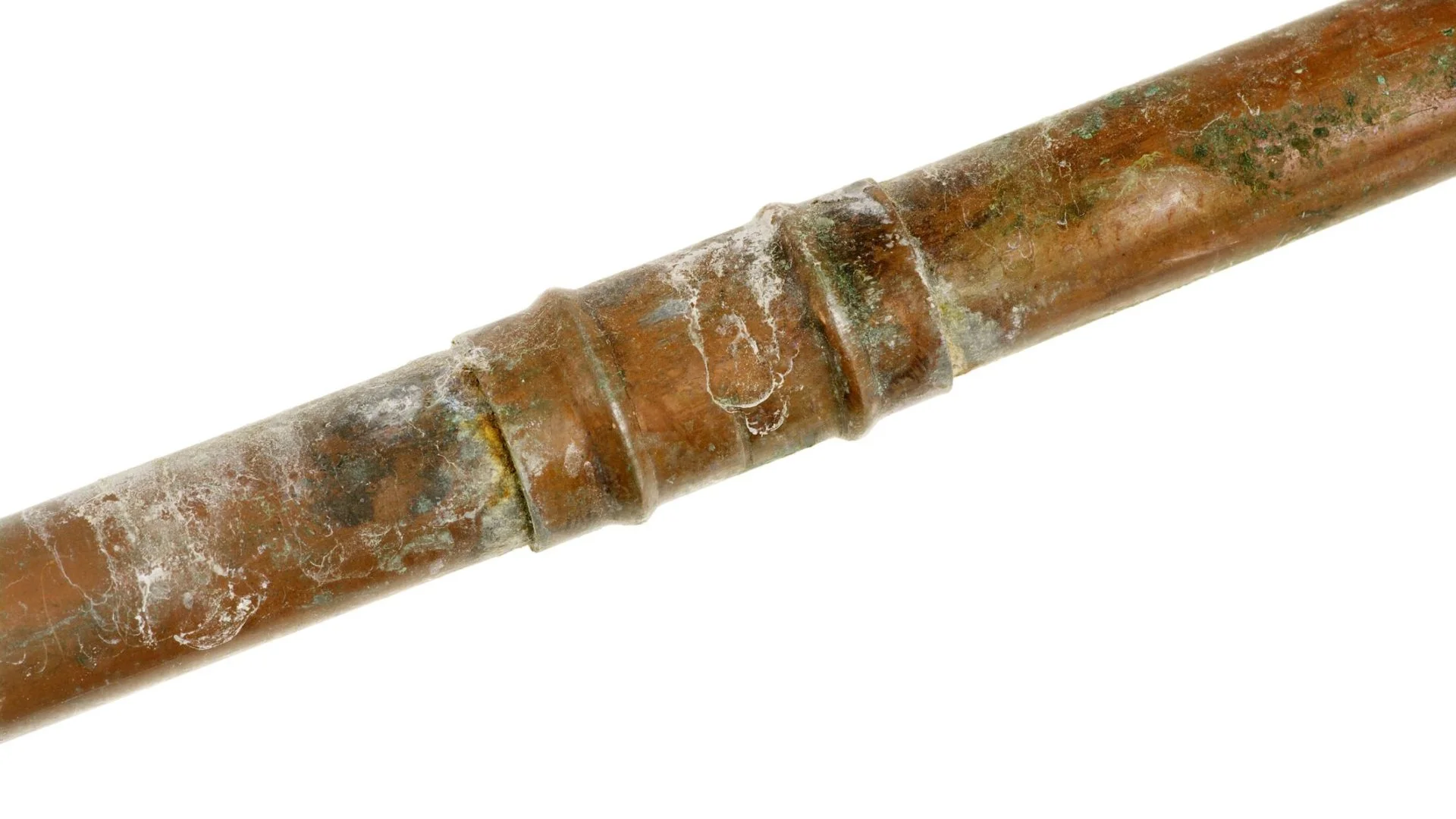
If your water has a low pH (acidic), it can corrode metal pipes and plumbing fixtures. Homes with copper piping may notice blue-green stains on sinks, tubs, or laundry. Over time, corrosion can lead to leaks, plumbing damage, and costly repairs.